






ANTHROS BLOG
June 9th, 2025
Hypertonic Pelvic Floor Dysfunction and How Poor Sitting Contributes to It
Understanding Hypertonic Pelvic Floor Dysfunction
Struggling with pelvic floor tightness, chronic pelvic pain, or constipation? You might be dealing with hypertonic pelvic floor dysfunction (HPFD)—a condition where the pelvic floor muscles become overly tight and can't relax properly. These muscles are meant to support your bladder, bowel, and reproductive organs, but when they’re constantly clenched, problems arise.
While HPFD can stem from various causes—like trauma, stress, or improper exercise—one hidden contributor is poor sitting posture. Let’s explore the connection and how to fix it.
Common Symptoms of Hypertonic Pelvic Floor Dysfunction:
Signs that your pelvic floor muscles may be overactive:
-
Chronic pelvic pain
-
Urinary urgency or hesitancy
-
Constipation
-
Pain during intercourse
-
Lower back or hip discomfort
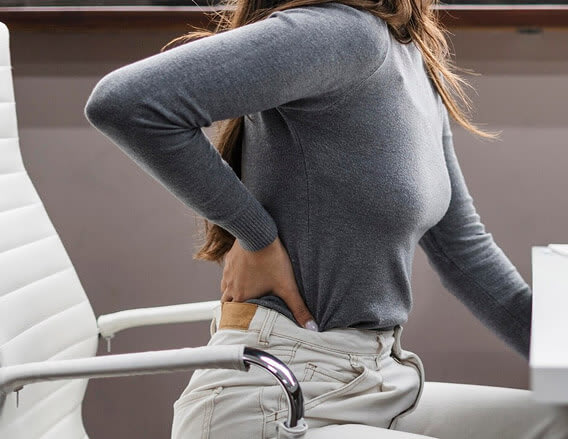
1. Slouched Sitting Overactivates the Pelvic Floor
Sitting with a tucked pelvis and rounded back shortens and activates the pelvic floor muscles. Over time, this prevents them from fully relaxing.
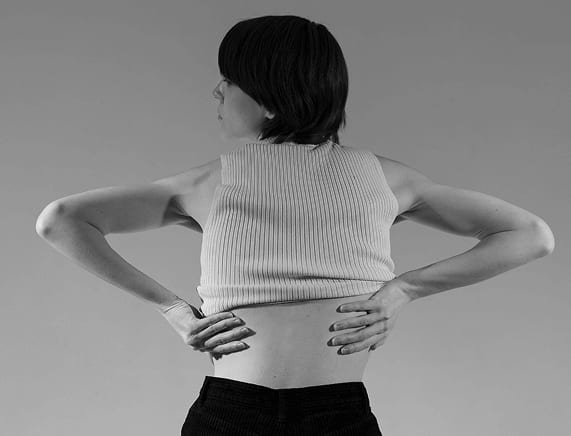
2. Anterior Pelvic Tilt Creates Muscle Imbalance
When your pelvis tilts forward excessively and your lower back arches, it strains your hip flexors and spine—forcing the pelvic muscles to compensate, which builds tension.
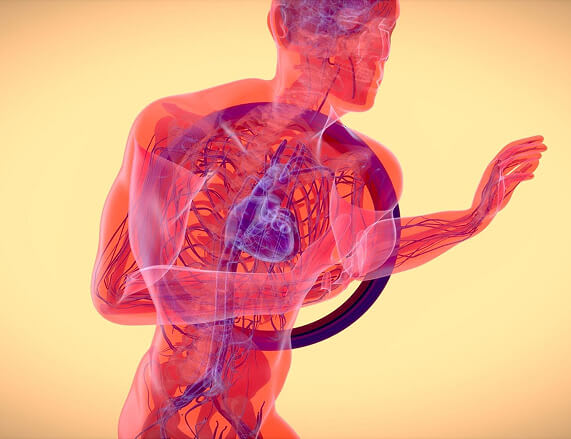
3. Prolonged Sitting Reduces Blood Flow & Irritates Nerves
Staying in poor posture for long periods compresses key nerves (like the pudendal nerve) and restricts circulation to your pelvic floor. The result? Increased pain and dysfunction.
How to Sit Better to Relieve Pelvic Floor Dysfunction
Improving how you sit can significantly reduce symptoms of HPFD. Here are the most effective strategies:

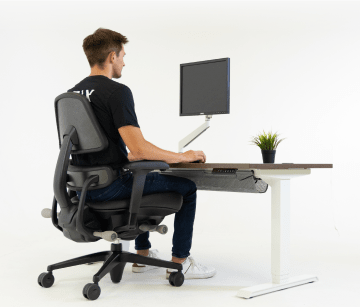
Use an Ergonomic Chair
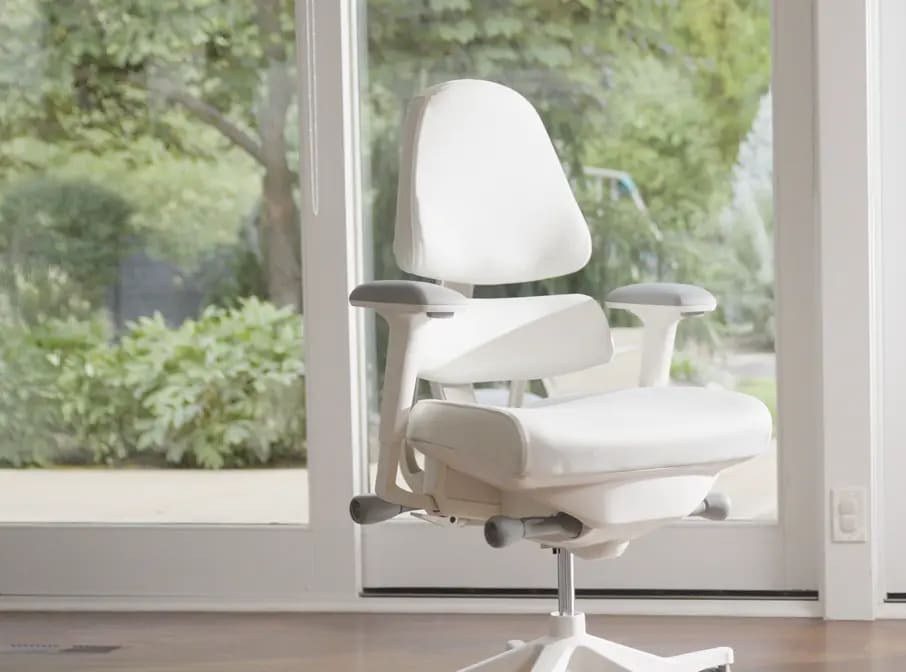
Choose a chair designed to maintain a neutral pelvis and reduce perineal pressure. The Anthros chair supports the spine's natural curve and helps relieve lower body tension.

Maintain Neutral Pelvic Alignment
Sit on your sit bones—not your tailbone. Your hips should be slightly higher than your knees, with a gentle curve in your lower back.

Incorporate Movement
Shift your weight, lean side-to-side, or stand briefly every 20–30 minutes. Movement encourages blood flow and reduces nerve compression.

Use a Supportive Cushion
If your chair lacks built-in support, use a wedge or ergonomic cushion to avoid slouching and relieve pressure on your pelvic floor.

Practice Pelvic Floor Relaxation
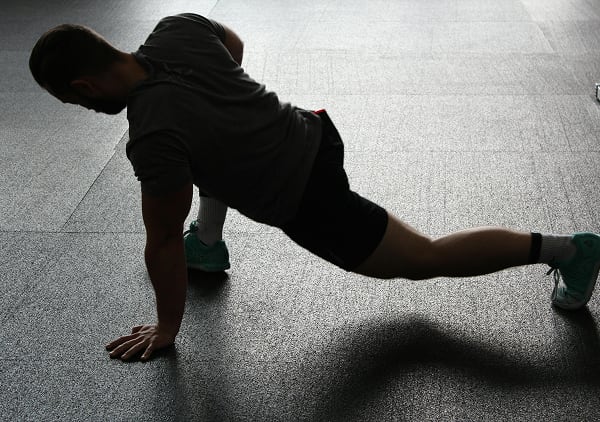
Diaphragmatic breathing, hip openers, and pelvic drops (gentle muscle release) can teach your body how to let go, not just contract.
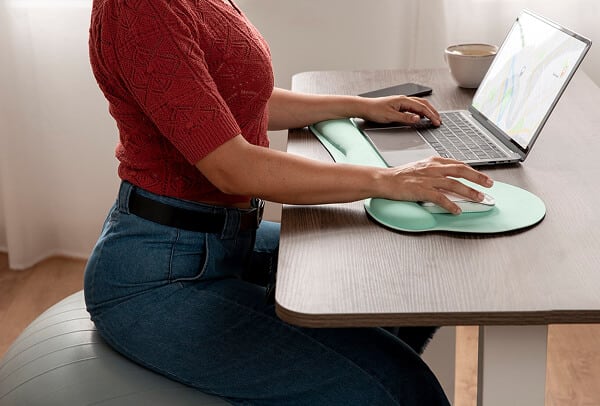
Taking Care of Your Pelvic Health Starts with How You Sit
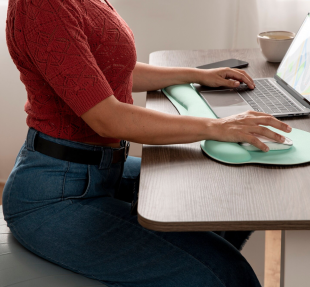
Hypertonic pelvic floor dysfunction can be frustrating—but it's manageable. By improving your sitting posture, moving more, and using the right chair, you can ease tension and support long-term pelvic health.
If symptoms persist, consult a pelvic floor physical therapist for customized guidance.
Take control of your pelvic health—starting with your seat.
For a deeper look at pelvic floor dysfunction, including its causes, ICD-10 code, and how posture plays a role, check out our Pelvic Floor Dysfunction Resource Page.